Top Posts of 2025

In these early days of 2026 we continue our annual tradition of looking back at our top posts from the previous year.
Its been a productive year for the MERLIN project, with numerous publications, results and briefings released to the world, whilst negotiations over the role of freshwater restoration in European policy accelerate.
MERLIN will present their findings at a major policy event in Brussels in March 2026 to discuss the future of freshwater restoration policy and practice across the continent. The policy event will be held on 10th March 2026 at Maison de la Poste in Brussels. Registration is free, both for in-person and online attendance. Interested participants should register via the MERLIN website by the 31st January 2026.
And now looking forward to 2026, we want to say a big thank you to you, our readers and listeners, for your eyes and ears. We appreciate your support, and are always happy to hear your thoughts and ideas, whether by email or on our social media platforms.
///
MERLIN Innovation Awards celebrates cutting-edge approaches to freshwater restoration at 2025 ceremony (February)
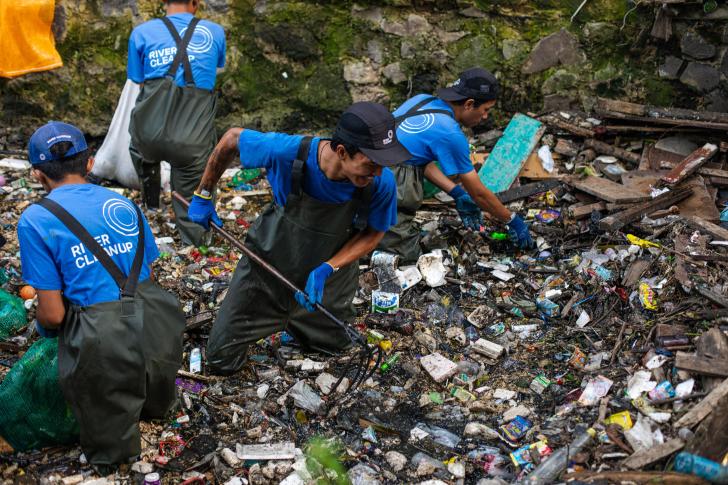
The winners of the annual MERLIN Innovation Awards – which highlight state-of-the-art solutions for freshwater restoration – were announced earlier this month. Entries from organisations across the world were assessed by an expert panel, and shortlists for the two categories – Service of the Year and Product of the Year – were compiled. Two winners were announced at a busy online ceremony on February 13th.
The winner of the MIA Service of the Year is River Cleanup, a Belgian non-profit organisation which empowers global communities to cleanup their rivers. The winner of the MIA Product of the Year is Wasser 3.0 for their innovative approach to removing microplastics from water. (read more)
///
Can nature-based solutions help ‘green’ European economies? (March)
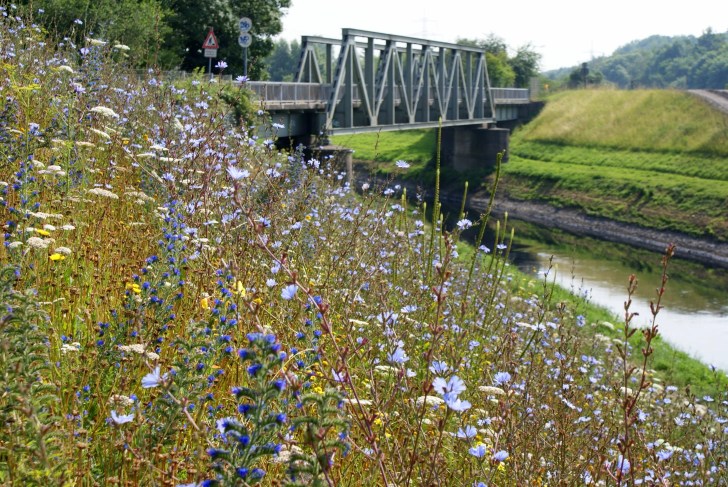
As the ongoing effects of the climate emergency and ecological crisis continue to be felt across Europe, it is clear that ‘business as usual’ in our society’s relationships to nature isn’t working. In recent years, the EU MERLIN project has worked with representatives from six key economic sectors across Europe to explore how this relationship could be fundamentally transformed, to benefit both people and nature.
MERLIN recently released six strategies exploring how the agriculture, water supply and sanitation, peat extraction, insurance, hydropower and navigation sectors can be ‘greened’ through better adoption of nature-based solutions. (read more)
///
A ‘how-to guide’ for citizen scientists on small stream restoration (March)

Small streams criss-cross Europe’s landscapes: from the highest mountains to the busiest cities. However, despite offering a home to rare and special wildlife, and providing numerous benefits such as natural flood protection to people, this network of small streams can be overlooked by European environmental policy and management.
A new publication by the MERLIN project suggests that citizen science groups can help boost our understanding of small streams, offering valuable activities to help restore the ecological health and biodiversity of these valuable ecosystems. (read more)
///
Can private finance help support ambitious European freshwater restoration? (April)

New sources of funding are needed to meet the needs a growing ecosystem restoration movement in Europe, according to a newly published report. In particular, ambitious restoration initiatives which help bring Europe’s freshwaters back to life require financial support from both private and public sources in order to fulfil their potential.
Researchers from the EU MERLIN project explored the potential for restoration managers to diversify how they raise funds to support their work. They highlight the need for creative thinking to address the ‘funding gap’ in a realm traditionally supported by public grant funding. (read more)
///
Cabinet of Freshwater Curiosities: artistic riverine insects create colourful cases from unusual materials (May)

Many animal species are protected from predators, desiccation or disturbance by a thick shell or skin. Only few, however – leeches, midge larvae and butterfly larvae – are capable of building cases to artificially protect them from the environment. Unsurpassed as artistic architects of such artificial cases are tiny caddis larvae, which live amongst the rocks, vegetation and rubbish on river beds. These unique little creatures have developed the curious ability to use these raw materials to create colourful and unusual protective outer tubes. (read more)
///
MERLIN Podcast EP.11 – Communicating why freshwater restoration is vital (May)

Restoring our natural ecosystems is a task that is never really finished: science progresses; governments change; technology advances; society shifts; funding pots appear and disappear. And all the time, our rivers, lakes, streams and wetlands are a constant; their fate determined by the choices we make about them. In a time of rapid ecological loss and the ongoing climate emergency, it can be hard to think hopefully about the future of our ecosystems.
In the new episode of the MERLIN podcast we hear from four inspirational young scientists who are helping restore Europe’s freshwaters, and with it, hope for the future of our natural world. The four scientists all work on the EU MERLIN project, but each have their own research focus. They are Miriam Colls Lozano from the University of the Basque Country, Andrea Schneider from the University of Duisburg-Essen, Viviane Cavalcanti from DELTARES and Joselyn Verónica Arreaga Espin from BOKU.
We hear about the challenges of bringing disparate communities together through freshwater restoration, fostering exchange and collaboration between different communities, thinking creatively about funding restoration in the future, and strategies for bringing the public and policy makers on board with ambitious restoration programmes. The thread that runs through all these themes is the need for good communication in fostering positive change for the future.
///
Free online training on engaging people and policy-makers in freshwater restoration is launched (September)

A free new online learning module offers a wealth of information around bringing people and nature together in freshwater restoration. The module is part of the open-access Academy created by the EU MERLIN project. The MERLIN Academy offers free resources and training to support researchers, practitioners and policy makers in applying cutting-edge restoration concepts to their work. The newly-released module leads users through a series of videos, graphics, quizzes and podcasts to introduce key concepts around stakeholder engagement and governance in freshwater and wetland restoration. (read more)
///
How can water-friendly farming be mainstreamed in Europe? (October)

Freshwater protection and restoration should be at the heart of how farming is managed in Europe, according to new recommendations. Reshaping the Common Agricultural Policy (CAP) to support freshwater ecosystems by encouraging water-friendly farming practices is a key task, say a team of researchers from the EU MERLIN project in a newly published policy brief.
The researchers draw on cutting-edge research and case studies to outline a vision for water-resilient agricultural landscapes across Europe. They highlight the value of so-called nature-based solutions such as the creation of ponds and wetlands, agroforestry, and the rotational resting of farmland in creating landscapes which support both food production and freshwater protection. (read more)
///
MERLIN Podcast EP.13 – Sharing cutting-edge information on freshwater restoration in the MERLIN Academy (November)

In this podcast we take a tour of the MERLIN Academy, an online platform which offers free resources and training to support researchers, practitioners and policy makers in applying cutting-edge freshwater restoration concepts to their work.
We hear from Academy coordinator Astrid Schmidt-Kloiber from BOKU, and module leaders Erica Zaja from CEH, Gerardo Andalzua from ECOLOGIC and Kerry Waylen from the James Hutton Institute, alongside reflections from Academy user Lars Kristian Selbekk.
The interviewees emphasise the importance of sharing free, open-access information on freshwater restoration to wide audiences. They discuss the importance of nature-based solutions, financing and economics, stakeholder engagement and governance to contemporary restoration approaches.
///
New approaches to financing ambitious freshwater restoration projects (December)

A key message from the MERLIN project is the need for freshwater restoration managers to embrace new forms of funding in order to mainstream their work across Europe. As we’ve explored in previous podcasts, environmental projects have long relied on grant funding from state sources. However, in order to address the magnitude of the ongoing climate emergency and ecological crises, it is clear that new forms of funding are need to underpin ambitious restoration schemes across the continent.
In this context, MERLIN have recently released the final publications in their ‘Off-the-Shelf Instruments’ series. These instruments – OTSIs for short – are accessible financial guides which introduce approaches to raising public and private finance for restoration projects. The twelve OTSIs cover both traditional sources of environmental finance – such as grant funding – alongside new and contemporary sources such as biodiversity offsetting, carbon sequestration and reward-based crowdfunding. (read more)
///
You can read all our 2025 articles here – happy 2026!
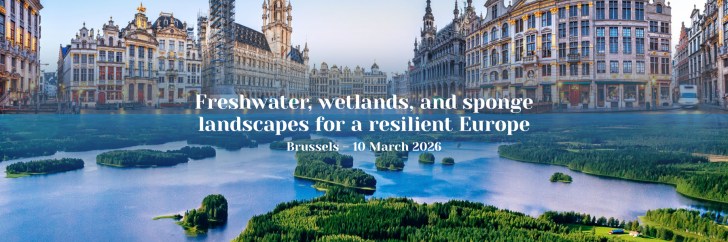
Freshwater, wetlands and sponge landscapes for a resilient Europe
The landmark Nature Restoration Regulation was adopted by the European Union in August 2024 following a lengthy negotiation process. The Regulation – which compels EU member states to restore their degraded land, water and sea ecosystems by 2050 – is now entering a critical implementation phase.
The first drafts of National Nature Restoration Plans (or NNRPs) which guide this restoration work are due to be submitted in summer 2026. As a result, negotiators from environmental, agricultural, forestry and other land management organisations are meeting across Europe to develop roadmaps for each member state to reach the ambitious goals of the new legislation.
At the same time, environmental organisations have warned against the weakening of European Commission nature protections as a result of industry lobbying. Last week, a coalition including WWF, BirdLife and the European Environmental Bureau cautioned that weaker rules in the new Environmental Omnibus and the Grids Package poses serious threats to European ecosystems and public health.
In this context, four flagship European research projects will present their findings at a major policy event in Brussels in March 2026 to discuss the future of restoration policy and practice across the continent.
The four projects – MERLIN, WaterLANDS, SpongeScapes and SpongeWorks – will highlight key insights, practical tools and success stories from freshwater, wetland and sponge landscapes across Europe.
The event will facilitate discussion on two key themes for implementing the Nature Restoration Regulation in Europe: upscaling restoration projects; and engaging with economic sectors and financiers. It will offer a space for EU and national decision makers to engage with cutting-edge research and practice in freshwater restoration across Europe.
The policy event will be held on 10th March 2026 at Maison de la Poste in Brussels. Registration is free, both for in-person and online attendance. Interested participants should register via the MERLIN website by the 31st January 2026.
For more information, please contact the Event Secretariat: brussels2026@project-merlin.eu
///
This article is supported by the MERLIN project.
A key message from the MERLIN project is the need for freshwater restoration managers to embrace new forms of funding in order to mainstream their work across Europe.
As we’ve explored in previous podcasts, environmental projects have long relied on grant funding from state sources. However, in order to address the magnitude of the ongoing climate emergency and ecological crises, it is clear that new forms of funding are need to underpin ambitious restoration schemes across the continent.
In this context, MERLIN have recently released the final publications in their ‘Off-the-Shelf Instruments’ series. These instruments – OTSIs for short – are accessible financial guides which introduce approaches to raising public and private finance for restoration projects.
The twelve OTSIs cover both traditional sources of environmental finance – such as grant funding – alongside new and contemporary sources such as biodiversity offsetting, carbon sequestration and reward-based crowdfunding.
The twelve OTSIs are: donation-based crowdfunding; corporate donations; tourism and agriculture activities; reward-based crowdfunding; corporate branding; carbon sequestration credits; mutual guarantees; grants; biodiversity offsetting; public-private partnerships; debt instruments; and climate bonds.
This toolkit of approaches is designed to offer restoration managers flexibility, transparency and speed in sourcing and allocating finance to their projects. The MERLIN authors state that the OTSIs, “not only facilitate public funding but also acknowledge the indispensable role of private finance in propelling impactful initiatives forward.”
Each OTSI is designed to give an engaging overview of funding, covering the aims of different financial instruments, the potential beneficiaries, pros and cons, timescales for implementation and set-up and operational costs. The OTSIs are illustrated with real-world case studies and best practice examples throughout, alongside a wealth of contacts and further resources.
Key Performance Indicators (or KPIs) are crucial for integrating new financial approaches into restoration projects. As such, each OTSI concludes with a series of suggested KPIs to help justify new approaches in project design, both to financial and environmental organisations.
Designed through a collaboration between MERLIN and investment innovation organisation CONNECTOLOGY, the OTSIs are supported by free training videos in the MERLIN Academy.
In short, the portfolio of OTSIs offer an invaluable resource showcasing cutting-edge financial tools for environmental managers seeking to upscale their work.
///
This article is supported by the MERLIN project.
MERLIN Podcast EP.13 – Sharing cutting-edge information on freshwater restoration in the MERLIN Academy
In this podcast we take a tour of the MERLIN Academy, an online platform which offers free resources and training to support researchers, practitioners and policy makers in applying cutting-edge freshwater restoration concepts to their work.
We hear from Academy coordinator Astrid Schmidt-Kloiber from BOKU, and module leaders Erica Zaja from CEH, Gerardo Andalzua from ECOLOGIC and Kerry Waylen from the James Hutton Institute, alongside reflections from Academy user Lars Kristian Selbekk.
The interviewees emphasise the importance of sharing free, open-access information on freshwater restoration to wide audiences. They discuss the importance of nature-based solutions, financing and economics, stakeholder engagement and governance to contemporary restoration approaches.
You can also listen and subscribe to the podcast on Spotify, Amazon, and Apple Podcasts. Stay tuned for the next episode soon!
///
This article is supported by the MERLIN project.
Ukrainian river restoration project during wartime wins major award
Russia’s invasion of Ukraine in 2022 has brought death and destruction not only to towns and cities, but also to the country’s natural environment.
An EU report published earlier this year identified how military activity has released greenhouse gases into the atmosphere, destroyed biodiversity habitat, caused widespread water, air and soil pollution from munitions and fuel, and sparked an increased risk of destructive forest fires.
Such military damage to natural environments has been termed ‘ecocide’ in Ukraine, and can take years, if not centuries, to be reversed. In this way, the legacy of war will be evident in Ukraine’s ecosystems, long after fighting finally ends.
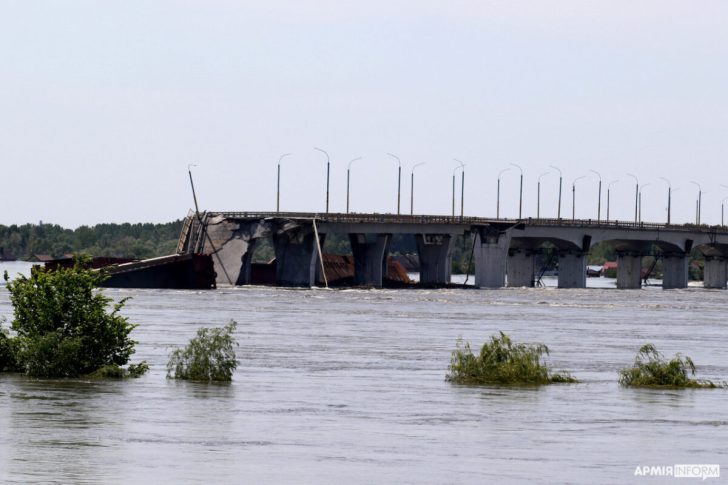
Russia’s invasion has had a significant impact on Ukraine’s freshwater ecosystems and water infrastructure, particularly through the destruction of major dams such as the Kakhova Dam in 2023. A huge surge of water was released from the reservoir – Ukraine’s largest – held behind the dam, inundating downstream regions with polluted water and threatening populations of fish including sturgeon and esturine perch.
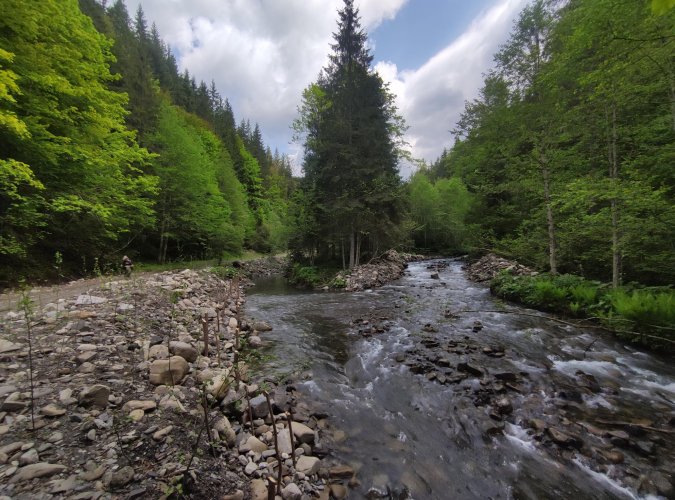
Amidst this landscape of loss, green shoots of recovery have recently sprouted from a different – intentional – form of dam removal on rivers in Western Ukraine. Last month, a river restoration project in the Carpathian Biosphere Reserve, close to the Romanian border, was awarded the 2024 Dam Removal Award after successfully removing three dams and reconnecting 200km of rivers.
Led by the Danube-Carpathian Programme and the UNESCO-listed Carpathian Biosphere Reserve, the project removed three obsolete dams on the Kvasnyi, Bilyi, and Bohdan Rivers in the Zakarpatska region of Ukraine.
“Air alarms, bombings, and Russian propaganda have created a challenging environment to work in, but thanks to team efforts, the outstanding achievements have been realised alongside our partner, the Carpathian Biosphere Reserve,” said a representative from the Danube-Carpathian Programme. “The dam removal movement is gaining momentum in Ukraine, and we anticipate linking it with broader wetlands restoration initiatives.”
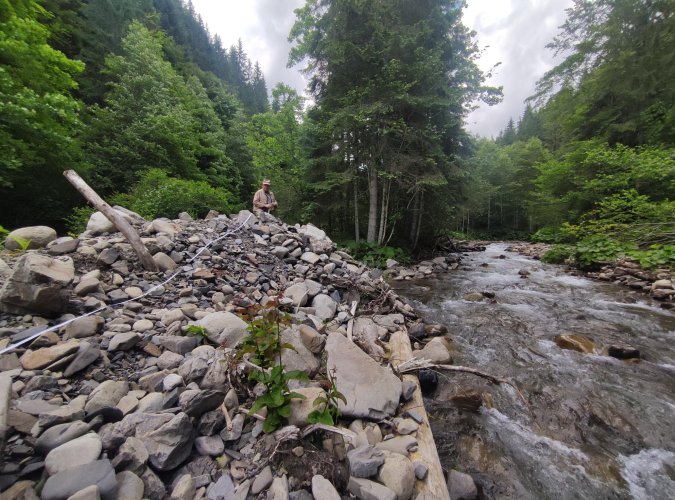
Restoration work is designed to reopen vital migration routes for eight IUCN Red List fish species along the rivers. The projects will also benefit communities living in the catchments by reducing flood risks, rebuilding critical road infrastructure, and reopening access to mineral springs, grazing lands, and tourist trails.
“It is astonishing that Ukraine is still restoring rivers despite all its wartime challenges – this project is truly an inspiration to all of us,” said Chris Baker, Director of Wetlands International Europe, which coordinated the award on behalf of the Dam Removal Europe coalition. “This award reminds us that restoring nature is not just about the environment: it’s about resilience, unity, and hope. Ukraine’s achievement shows that even in the most challenging times, people can unite to let rivers flow freely again.”
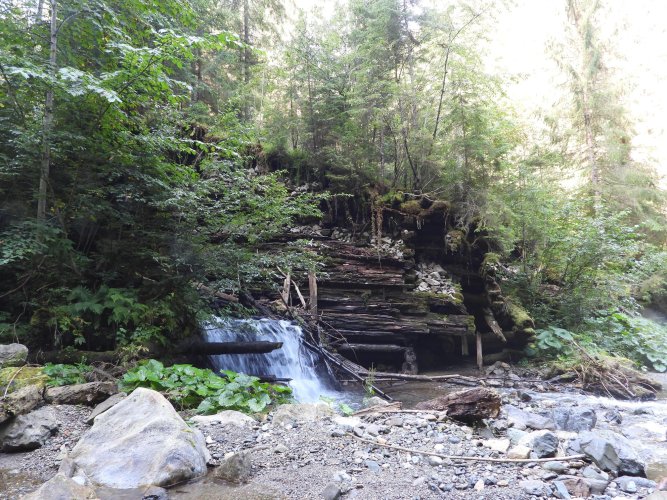
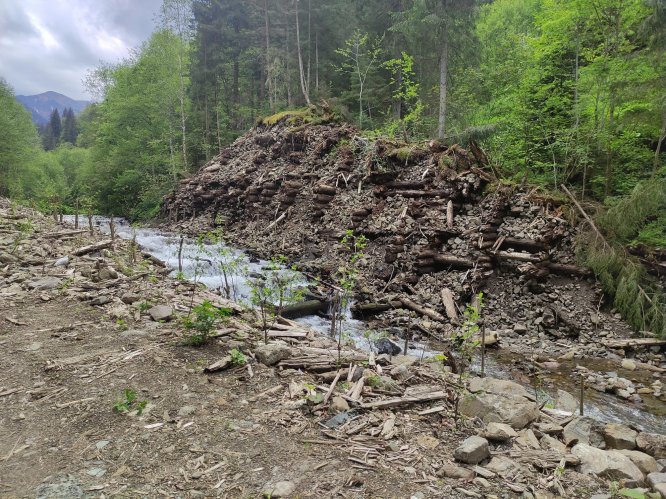
“Ukraine understands that removing obsolete dams is a fast and effective way to reconnect rivers and restore their natural flow – bringing life back, reducing risks to people, enhancing water and food security, and building climate resilience,” continued Baker. “Europe’s rivers are the most fragmented in the world and we must accelerate investment in dam removals and river restoration for people, nature and climate. We can all learn from Ukraine’s remarkable example.”
The Dam Removal Award is an annual event that celebrates the restoration of free-flowing rivers across Europe. The award highlights innovative projects that remove obsolete barriers, revive ecosystems, and strengthen communities’ connection to healthy rivers. The Ukrainian Three Dam Removals Amid Wartime project was chosen as the winner of the €20,000 prize after a process involving an international jury of experts and a public vote.
How to find grant funding for your freshwater restoration project

As the need to restore Europe’s freshwaters becomes ever more pressing, so too does the demand for funding to support ambitious restoration projects.
Grant funding – which in Europe is often provided by the European Commission or national governments – is an important source of large-scale funding for freshwater restoration. A new publication from the EU MERLIN project provides guidance and support for restoration managers seeking to find financial grants to support their projects.
Around €112 billion is dedicated by the EU to funding biodiversity projects between 2021–2027, however not all of this funding is directly available to environmental managers. As a result, national and regional grant programmes can offer more direct and targeted funding for restoration projects, often co-ordinated by EU initiatives such as the European Regional Development Fund.
In Europe, this funding landscape is strengthened by new policies such as the Nature Restoration Regulation and the Water Resilience Strategy, which will open new grant funding opportunities targeted at freshwater restoration. In particular, the importance of Nature-based Solutions in addressing ecological issues is increasingly recognised, with targeted funding for their use rising to over €2 billion in 2025.
Globally, the need for ambitious funding for biodiversity conservation and restoration is also increasingly recognised, with nations at COP15 in 2022 committing to mobilise €200 billion each year to support nature recovery.
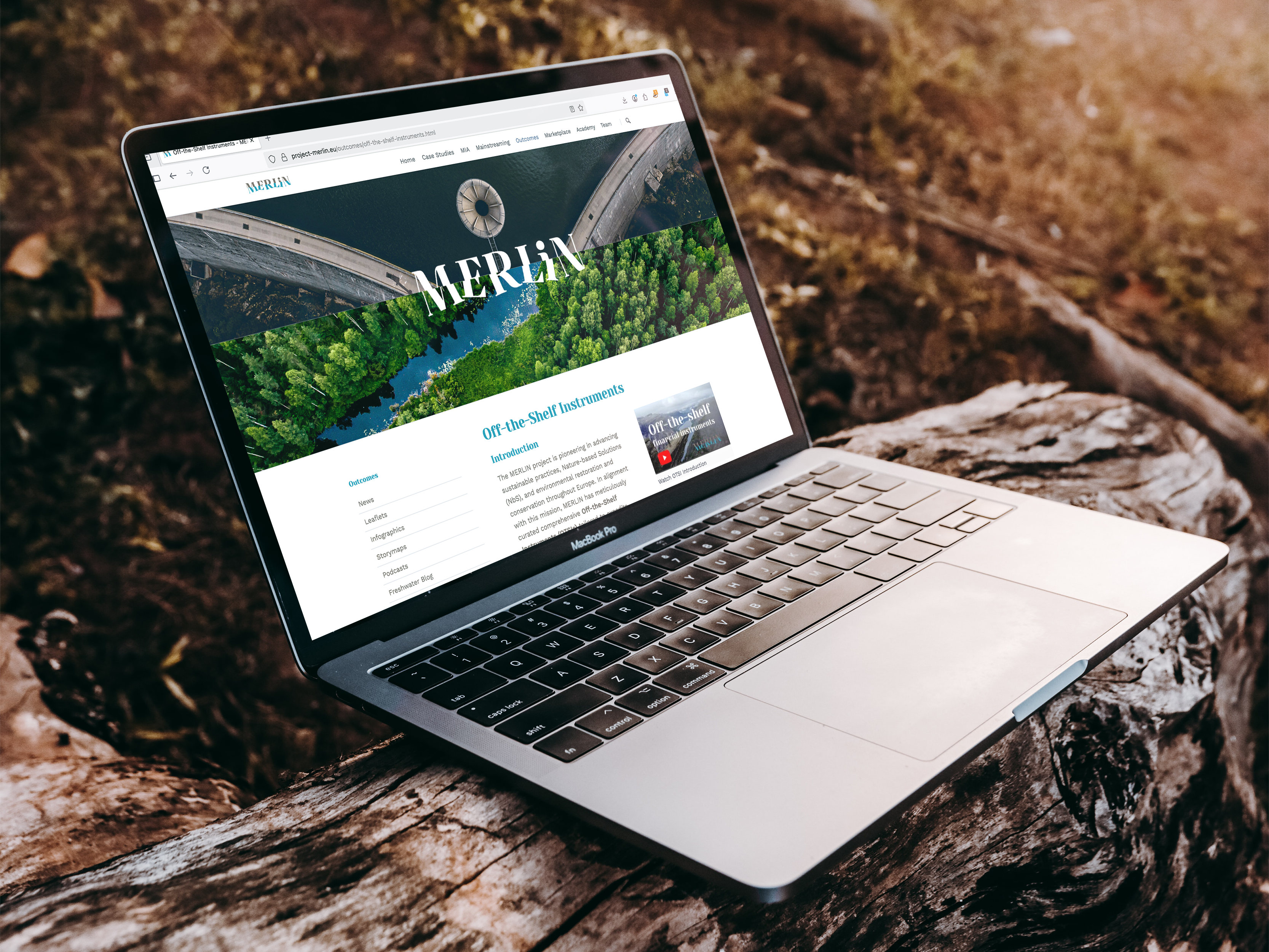
The new MERLIN publication helps restoration practitioners navigate this grant funding landscape. It provides in-depth analysis on the types of grants currently available to restoration projects, and highlights who can apply for them, and how.
Part of an ongoing series of ‘Off-The-Shelf-Instruments’ designed to help European restoration managers adopt cutting-edge practices, the new publication explores the operational dynamics of different grant programmes, including their prerequisites for applying, their funding lifecycles, and the associated costs for establishing and managing initiatives they support.
The publication highlights the key organisations involved in restoration grant funding in Europe, including the European Commission, national governments and environmental agencies, and outlines how each individual body supports projects.
Practical guidance from real-world case studies is also provided to help support environmental managers in adopting best practice insights and Key Performance Indicators (or KPIs) in their projects.
The publication authors conclude with a note of caution on over-reliance on grant funding, and a call to embrace new forms of public and private funding sources to address environmental goals. You can find out about diversifying funding sources for freshwater restoration in existing MERLIN Off-The-Shelf-Instruments here.
They write, “While grants remain a central funding mechanism for many restoration initiatives, they also have limitations. The complexity and long-term nature of restoration projects often means that grants only cover part of a project’s lifecycle, requiring practitioners to seek new funding repeatedly.
“We encourage restoration teams to look beyond traditional biodiversity-focused grants and consider a broader spectrum of public sector funding opportunities. Many government agencies and public bodies offer grants tied to other societal objectives, such as disaster risk reduction, water management, climate adaptation, or public health, which can often be addressed through Nature-based Solutions.
“By actively expanding their funding horizons and engaging with both conventional and unconventional financing pathways, restoration teams can build more resilient, long-term projects that not only restore ecosystems, but also contribute meaningfully to broader societal and climate objectives,” the authors conclude.
///
This article is supported by the MERLIN project.
How can water-friendly farming be mainstreamed in Europe?
Freshwater protection and restoration should be at the heart of how farming is managed in Europe, according to new recommendations.
Reshaping the Common Agricultural Policy (CAP) to support freshwater ecosystems by encouraging water-friendly farming practices is a key task, say a team of researchers from the EU MERLIN project in a newly published policy brief.
The researchers draw on cutting-edge research and case studies to outline a vision for water-resilient agricultural landscapes across Europe. They highlight the value of so-called nature-based solutions such as the creation of ponds and wetlands, agroforestry, and the rotational resting of farmland in creating landscapes which support both food production and freshwater protection.
Finding space for healthy freshwaters within Europe’s agricultural landscapes is a key task in supporting both people and nature. More than a third of the continent’s land area is used for farming, which whilst vital for food security and livelihoods, is also a major driver of freshwater habitat degradation.
Around 60% of European floodplains are used for agriculture, and farming activities can significantly contribute to freshwater habitat loss and pollution. At the same time, farmers depend on healthy soils and stable water cycles in order to remain productive, particularly in landscapes increasingly stressed by the effects of the climate emergency.
As a result, encouraging water-friendly farming practices has the potential not only to help restore Europe’s degraded freshwaters, but also help foster more resilient and sustainable food systems.

The authors of the new MERLIN policy brief make a series of recommendations to help shift Europe’s agricultural system towards these goals. They state that CAP payments to farmers should remain tied to high environmental standards, particularly those which benefit rivers, wetlands, lakes and ponds.
They outline how these payments should be linked to a performance-based framework which ensures that they are targeted, and that their impacts on freshwaters are measurable. Moreover, CAP should recognise how the local and sited conditions of different farms influence their ability to implement water-friendly practices.
An awareness of these factors should lead to a more strategic approach to CAP payments to farmers which helps enable a diverse set of farm transitions to secure long-lasting ecosystem benefits, the authors state.
To make this aspiration a reality, farmers need training and support in adopting water-friendly farming approaches. This support needs to be coordinated and collaborative to help join up initiatives across entire catchments and landscapes.
At the same time, it is important that farming practices which harm freshwater ecosystems are avoided. This means targeting payment systems to disincentivise practices such as drainage schemes, irrigation and reservoirs in water-stressed landscapes.
The MERLIN policy brief is released ahead of the next revision of CAP in 2027, and the upcoming Europe-wide adoption of the Nature Restoration Regulation.
“Healthy freshwater ecosystems are not only fundamental for food production but also for drinking water supply, recreational use, economic development, biodiversity, and climate adaptation,” the authors conclude. “Strengthening the synergy between agricultural practices and freshwater protection is therefore essential to ensure long-term resilience and sustainability across sectors.”
///
This article is supported by the MERLIN project.
Cabinet of Freshwater Curiosities: Lake Titicaca ‘scrotum’ frog adapted to the high life

If you’re a long-time follower of the Freshwater Blog, you might remember our Cabinet of Freshwater Curiosities project from more than a decade ago. That website has since washed away down the rivers of time, but we thought it was the right moment to showcase our collection of curious freshwater plants and animals again. So keep your eyes peeled over the coming months as we dust off the Cabinet and celebrate the wonderful world of freshwater life!
///
One of the largest frogs on the planet, the Lake Titicaca water frog makes one of the strangest fashion statements in the amphibian world. Its excessive skin folds have earned it the whimsical Latin name of Telmatobius culeus, or ‘aquatic scrotum’.
The ‘scrotum frog’s’ bizarre outfit is actually the perfect adaptation to the cold waters of its high-altitude home. This bottom-dwelling frog – which can live at depths of 100 metres – is only found in Lake Titicaca, sandwiched between Peru and Bolivia.
The frog is entirely aquatic, living in the reed beds of the lake and its rivers. Avoiding the oxygen-depleted air, its ornate skin folds and abundance of capillaries allow it to absorb oxygen directly from the saturated water, making up for its tiny lung size and allowing it to stay permanently below the surface. This adaptation protects the frog from the high levels of ultraviolet radiation found in the area. The species also benefits from a high number of small red blood cells, which efficiently deliver oxygen and remove carbon dioxide from its body tissues.

This oddball frog has fascinated people for centuries. Lake Titicaca frogs were believed to have special powers, particularly in bringing rain: once carried in a ceramic pot to a hillside, the frogs would call in distress, which supposedly sounded to the gods like a plea for rain. Once the downpour began, the pot would overflow and the sacred animals would escape back to the lake.
Jacques Cousteau, searching Lake Titicaca for Inca treasure in the 1960s, was equally enthralled, reporting “thousands of millions” of the frogs, some almost 60cm long. These days, such giants are unlikely to be seen. Aside from global threats to amphibians such as the chytrid fungus and invasive species, in this case a trout that preys on its tadpoles, the Lake Titicaca water frog suffers from over-popularity.
It is a favorite menu item at tourist restaurants around the lake, and is also taken to Lima markets where it is sold as an aphrodisiac. The frogs are skinned and then blended with water, maca (a local root vegetable) and honey into a juice, thought to be the cure for several ailments, including impotence. It is also collected as a pet or curiosity, while pollution, habitat loss, and overfishing of its main prey – the small fish known locally as ipsi – could also be pushing the critically endangered frog towards extinction.
In response, captive breeding programs have been established for the giant amphibians, both around Lake Titicaca and internationally. One possible plan is to farm the frogs for consumption, taking the pressure off those left in the wild, although this could subject the small population to increased risk of disease from large, densely-kept captive populations. Scientists from both Peru and Bolivia are studying the frog to assess its ecology and feeding habits as a base for captive breeding.
In 2018, Bolivia and Peru signed a bilateral agreement to recover Lake Titicaca and protect the Titicaca water frog , outlining the priority actions that will protect the species across its range. In 2016, the Titicaca water frog was included in Appendix I of the CITES Convention, which restricts international trade of the animal.
“There have been some amazing champions working on the ground both in Bolivia and Peru to prevent the extinction of this species and to inspire the political will to join these efforts,” said Ariadne Angulo, co-chair of the IUCN SSC Amphibian Specialist Group.
“And we have been inspired by both governments working collaboratively with one another and hand-in-hand with conservation groups in recent years. Given the threats that the species continues to face, however, the efforts to date are the building blocks for what it is going to take to save the Titicaca water frog in the long-term.”
Free online training on engaging people and policy-makers in freshwater restoration is launched
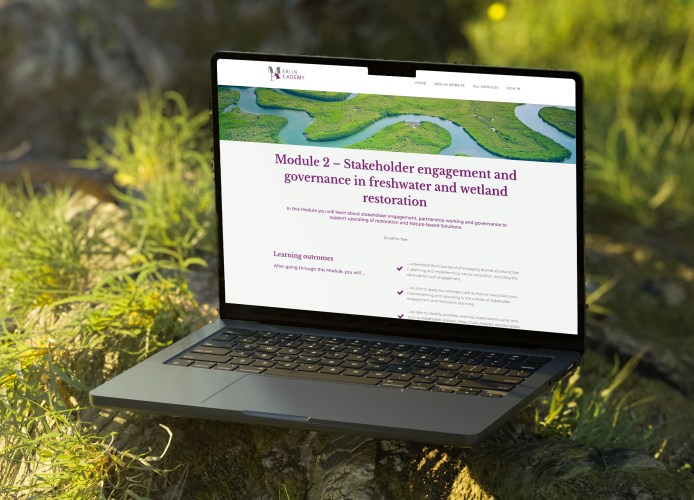
A free new online learning module offers a wealth of information around bringing people and nature together in freshwater restoration.
The module is part of the open-access Academy created by the EU MERLIN project. The MERLIN Academy offers free resources and training to support researchers, practitioners and policy makers in applying cutting-edge restoration concepts to their work.
The newly-released module leads users through a series of videos, graphics, quizzes and podcasts to introduce key concepts around stakeholder engagement and governance in freshwater and wetland restoration.
“We developed this module to help bridge the gap between ecological knowledge and real-world action,” says project lead Astrid Schmidt-Kloiber from BOKU in Vienna. “Restoration doesn’t happen in isolation, it depends on people, partnerships and policies. This module is about empowering practitioners to work more effectively with others, to mainstream Nature-based Solutions, and ultimately to support the recovery of our freshwater ecosystems.”
The module begins by introducing ideas around mainstreaming and upscaling Nature-based Solutions in restoration projects. Nature-based Solutions are increasingly popular approaches to environmental management, and seek to harness natural processes to benefit both people and nature.
For example, a ‘rewiggled’ river channel may benefit aquatic biodiversity whilst at the same time helping buffer flash flooding downstream; or a restored peatland can lock-up carbon from the atmosphere and offer new recreational opportunities to local communities.
Many environmental scientists and managers across the world are optimistic about their value, and so advocate for their mainstreaming into public, political and economic systems, and upscaling across wide geographical areas. The hope is that such approaches can help reverse the harmful effects of the ongoing climate emergency and ecological crisis, whilst also supporting strong and sustainable green economies, both in Europe and globally.
The MERLIN Academy is an important step towards this goal. Written and presented by experts across environmental science, management and policy, the new module highlights the importance of engaging the varied stakeholder communities with an interest in a river, lake or wetland.
These stakeholders can include local citizens, industries, decision-makers and businesses – all of whom are likely to have different uses for, and values about, the ecosystem. The new module offers valuable resources to help identify, prioritise, and map stakeholders using tools such as stakeholder analysis, value chain analysis, and the ladder of participation.
In mapping the various views and needs of communities around a freshwater ecosystem, the new module empowers users to be able to design inclusive engagement strategies that align stakeholder interests with restoration goals. These strategies are informed by real-world case studies explored in the MERLIN project in Scotland and Israel.
Finally, by applying such participatory approaches to restoration projects, learners will be able to navigate policy frameworks and institutional settings to build or adapt partnerships, addressing potential barriers and identifying opportunities to enable restoration. The module highlights the dynamics of working within a complicated policy environment guided by legislation such as the EU Green Deal and Nature Restoration Regulation.
By offering free and open-access resources and training on these cutting-edge topics, the MERLIN Academy seeks not only to train the environmentalists of the future, but also to strengthen the knowledge shared amongst those working today.
///
This article is supported by the MERLIN project.
MERLIN Podcast EP.12 – How nature-based solutions can support people and nature in freshwater restoration
Harnessing the potential of natural processes in freshwater restoration can create significant ecological, social and economic benefits, according to a major new report.
Researchers from the MERLIN project analysed restoration monitoring data from eighteen rivers, streams and wetlands across Europe to assess the impacts of so-called ‘nature-based solutions’ on the environment and society. Such approaches aim to help amplify natural processes to benefit both people and nature. For example, a healthy wetland can help filter water pollution and buffer floodwaters, whilst planting so-called ‘riparian zones’ of trees and other vegetation along river banks can help provide valuable biodiversity habitat, keep water bodies cool, and lock up carbon to help mitigate climate change.
The new report explores the impacts of a diverse range of European freshwater restoration strategies using nature-based solutions. These include peatland rewetting, beaver reintroduction, floodplain restoration and reconnection across a variety of landscapes. The results show that such restoration approaches can generate significant benefits for nature and society. In particular, many of the impacts support the goals of the European Green Deal, which aims to support climate neutrality, sustainable economies and healthy, diverse ecosystems across the continent.
In this podcast, we hear from two MERLIN researchers behind the new report: Laura Pott from the University of Duisburg-Essen, and Axel Schwerk from the Warsaw University of Life Sciences. Laura and Axel cover a range of topics including how to monitor the impacts of nature-based solutions in complex landscapes across Europe, the importance of engaging stakeholder groups around an ecosystem, and the value of Theory of Change approaches in helping map how a restored landscape might develop over time.
You can also listen and subscribe to the podcast on Spotify, Amazon, and Apple Podcasts. Stay tuned for the next episode soon!
///
This article is supported by the MERLIN project.










 The Freshwater Blog